Situational Hitting: How Important Is it to Avoid Strikeouts?
Photo Credit: Cleveland Guardians
Scoring a run without needing a hit is vital for offenses, and so is putting your team in the position to score a run without needing a hit.
In this post, I’ll look at situations in which a team has a runner on third and less than two outs, or a runner on second and zero outs, to analyze how often players are able to “get the job done” by either scoring a run or advancing the lead runner - without hitting into a double play.
The sample size is 159,238 plate appearances over the past 11 seasons (8.28% of all plate appearances). As a benchmark, the league average success rate in getting the job done is 50.23%, indeed a peak run-scoring volatility scenario.
Figure 1 below depicts the linear regression of strikeout rate versus situational performance. As we can see, the strikeout rate is a key factor in success rate, explaining about 23% of the variance in getting job the done.
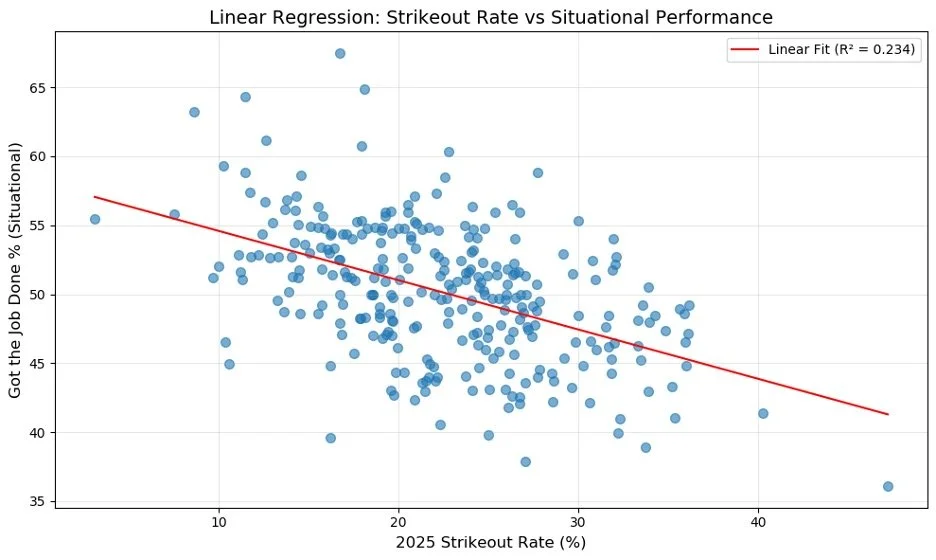
Figure 1: Get the Job Done % vs. 2025 Strikeout Rate
Let’s take a closer look at the players who stand out from the chart above (minimum 100 plate appearances to qualify).
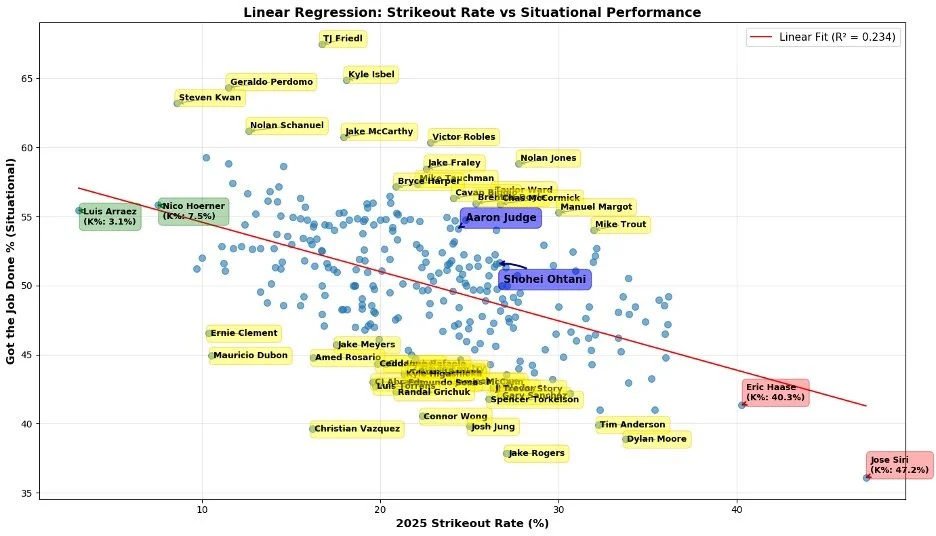
Figure 2: Get the Job Done % vs 2025 Strikeout Ratem, with key players labelled
As expected, the lowest two strikeout rate players - Luis Arraez and Nico Hoerner - exhibit elite abilities to get the job done, with over 55% each. Arraez, however, does underperform in expected success rate given his elite contact ability. His inability to consistently drive the ball deep enough for a sac fly works against his situational hitting.
The highest strikeout rate hitter, Jose Siri, is the one of the worst situational hitters in baseball, barely getting the job done more than 35% of the time.
Interestingly, batter-handedness is a critical factor in getting the job done, something we can see from Figure 3 below.
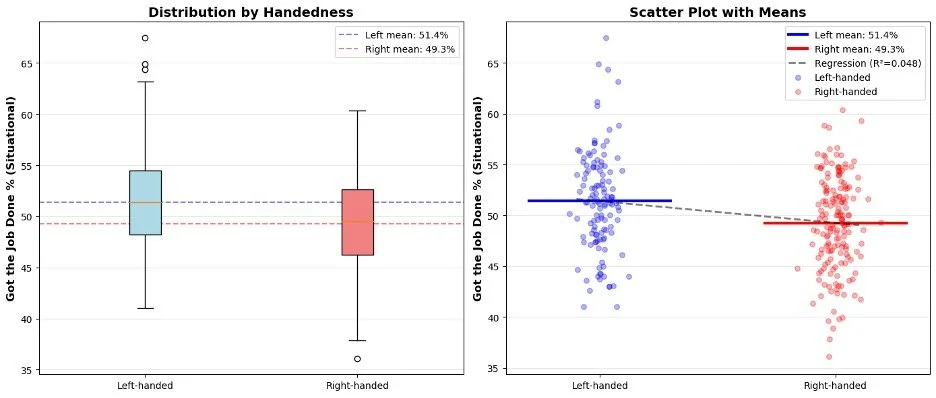
Figure 3: Impact of the batter handedness in getting the job done
Lefties get the job done 51.4% of the time versus righties with just 49.3% of time, explaining an additional 5% of the variance in success. This is because lefties have a much easier time hitting a groundball to the right side of the infield to advance the runner from second to third.
Conclusion
We can draw two conclusions from this analysis on “getting the job done”:
Strikeout rate is a very important factor in getting the job done, especially when combined with the necessary power to consistently hit sac flies.
Left-handed batters are significantly more successful in moving the runner from second to third to set up the sac fly opportunity. This definitely increases the value of lefty relievers. In regular season extra innings - when the teams are starting with a runner on second base - a lefty reliever would neutralize the lefty/switch hitting batter’s advantage in advancing the runner.